Results 121 to 126 of 126 | « previous
- How beautiful we were : a novel / by Mbue, Imbolo,author.;
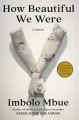 "'We should have known the end was near.' So begins Imbolo Mbue's exquisite and devastating novel How Beautiful We Were. Set in the fictional African village of Kosawa, it tells the story of a people living in fear amidst environmental degradation wrought by a large and powerful American oil company. Pipeline spills have rendered farmlands infertile. Children are dying from drinking toxic water. Promises of clean up and financial reparations to the villagers are made--and ignored. The country's government, led by a corrupt, brazen dictator, exists to serve its own interest. Left with few choices, the people of Kosawa decide to fight the American corporation. Doing so will come at a steep price. Told through multiple perspectives and centered around a fierce young girl named Thula who grows up to become a revolutionary, Joy of the Oppressed is a masterful exploration of what happens when the reckless drive for profit, coupled with the ghosts of colonialism, comes up against one village's quest for justice--and a young woman's willingness to sacrifice everything for the sake of her people's freedom"--
- Subjects: Political fiction.; Ecofiction.; Corporations; Environmental degradation; Oil spills; Villages;
- Available copies: 2 / Total copies: 2
-
unAPI
- How beautiful we were [sound recording] : a novel / by Mbue, Imbolo,author.; Onayemi, Prentice,narrator.; Edwards, Janina,narrator.; Graham, Dion,narrator.; Jackson, JD,narrator.; Johnson, Allyson,narrator.; Pitts, Lisa Renee,narrator.; Random House Audio Publishing,publisher.;
 Read by Prentice Onayemi, Janina Edwards, Dion Graham, JD Jackson, Allyson Johnson, and Lisa Renee Pitts."'We should have known the end was near.' So begins Imbolo Mbue's exquisite and devastating novel How Beautiful We Were. Set in the fictional African village of Kosawa, it tells the story of a people living in fear amidst environmental degradation wrought by a large and powerful American oil company. Pipeline spills have rendered farmlands infertile. Children are dying from drinking toxic water. Promises of clean up and financial reparations to the villagers are made--and ignored. The country's government, led by a corrupt, brazen dictator, exists to serve its own interest. Left with few choices, the people of Kosawa decide to fight the American corporation. Doing so will come at a steep price. Told through multiple perspectives and centered around a fierce young girl named Thula who grows up to become a revolutionary, Joy of the Oppressed is a masterful exploration of what happens when the reckless drive for profit, coupled with the ghosts of colonialism, comes up against one village's quest for justice--and a young woman's willingness to sacrifice everything for the sake of her people's freedom"--
- Subjects: Ecofiction.; Political fiction.; Audiobooks.; Corporations; Environmental degradation; Oil spills; Villages;
- Available copies: 1 / Total copies: 1
-
unAPI
- 1666 : a novel / by Chilton, Lora,author.;
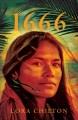 Includes bibliographical references (pages 199-200)."The survival story of the Patawomeck Tribe of Virginia has been remembered within the tribe for generations, but the massacre of Patawomeck men and the enslavement of women and children by land hungry colonists in 1666 has been mostly unknown outside of the tribe until now. Author Lora Chilton, a member of the tribe through the lineage of her father, has created this powerful fictional retelling of the survival of the tribe through the lives of three women. 1666: After the Massacre is the imagined story of the indigenous Patawomeck women who lived through the decimation of their tribe in the summer of 1666. Told in first person point of view, this historical novel is the harrowing account of the Patawomeck women who were sold and transported to Barbados via slave ship. The women are separated and bought by different sugar plantations, and their experiences as slaves diverge as they encounter the decadence and clashing cultures of the Anglican, Quaker, Jewish and African populations living in sugar rich "Little England" in the 1660's. The book explores the Patawomeck customs around food, family and rites of passage that defined daily life before the tribe was condemned to "utter destruction" by vote of the Virginia General Assembly. The desire to return to the land they call home fuels the women as they bravely plot their escape from Barbados. With determination and guile, Ah'SaWei WaTaPaAnTam (Golden Fawn) and NePa'WeXo (Shining Moon) are able to board separate ships and make their way back to Virginia to be reunited with the remnant of the tribe that remained. It is because of these women that the tribe is in existence to this day. This work of historical fiction is based on oral tradition, written colonial records and extensive research by the author, including study of the language. The book uses indigenous names for the characters and some of the Patawomeck language to honor the culture and heritage that was erased when European colonization of the Americans began in the 16th century. The book includes a glossary for readers unfamiliar with the language and names"--
- Subjects: Historical fiction.; Novels.; Enslaved persons; Indigenous peoples; Indigenous women; Indigenous women; Massacres; Potomac Indians;
- Available copies: 1 / Total copies: 1
-
unAPI
- Nos boucles au naturel / by Cherry, Matthew A.; Harrison, Vashti.; Fortin, Isabelle(Translator);
 LSC
LSC- Subjects: Enfants noirs américains; Pères et filles; Coiffures (Cheveux); African American children; Fathers and daughters; Hairstyles;
- Available copies: 1 / Total copies: 1
-
unAPI
- La classe / by Craft, Jerry.;
-

- Subjects: Graphic novels.; Comics (Graphic works); African American children; Enfants afro-américains; Private schools; Écoles privées; Race relations; Relations raciales; Stereotypes (Social psychology); Stéréotypes; Schools; Écoles; Friendship; Relations enfants-enfants; Amitié; Cartoons and comics.; French language materials.; Romans graphiques.; Bandes dessinées.;
- Available copies: 1 / Total copies: 1
-
unAPI
- Ma couleur à moi / by Kaepernick, Colin,1987-; Wilkerson, Eric.; Prosper, Maggalie.;
 LSC
LSC- Subjects: Kaepernick, Colin, 1987-; Kaepernick, Colin, 1987-; Enfants noirs américains; Enfants adoptés; Conscience de race; Individualité; Estime de soi; Acceptation de soi; Confiance en soi chez l'enfant; African American children; Adopted children; Race awareness; Individuality; Self-esteem; Self-acceptance; Self-confidence in children;
- Available copies: 1 / Total copies: 1
-
unAPI
Results 121 to 126 of 126 | « previous