Results 91 to 93 of 93 | « previous
- Hell put to shame : the 1921 Murder Farm massacre and the horror of America's second slavery / by Swift, Earl,1958-author.;
 Includes bibliographical references and index.On a Sunday morning in the spring of 1921, a small boy made a grim discovery as he played on a riverbank in the cotton country of rural Georgia: the bodies of two drowned men, bound together with wire and chain and weighted with a hundred-pound sack of rocks. Within days a third body turned up in another nearby river, and in the weeks that followed, eight others. And with them a deeper horror: all eleven had been kept in virtual slavery before their deaths. In fact, as America was shocked to learn, the dead were among thousands of Black men enslaved throughout the South in conditions nearly as dire as those before the Civil War. Hell Put to Shame tells the forgotten story of that mass killing and of the revelations about peonage, or debt slavery, that it placed before a public self-satisfied that involuntary servitude had ended at Appomattox more than fifty years before. By turns police procedural, courtroom drama, and political exposé, Hell Put to Shame also reintroduces readers to three Americans who spearheaded the prosecution of John S. Williams, the wealthy plantation owner behind the murders, at a time when white people rarely faced punishment for violence against their Black neighbors. The remarkable polymath James Weldon Johnson, newly appointed the first Black leader of the National Association for the Advancement of Colored People, marshaled the organization into a full-on war against peonage. Johnson's lieutenant, Walter F. White, a light-skinned, fair-haired, blue-eyed Black man, conducted undercover work at the scene of lynchings and other Jim Crow atrocities, helping to throw a light on such violence and to hasten its end. And Georgia governor Hugh M. Dorsey won the statehouse as a hero of white supremacists -- then redeemed himself in spectacular fashion with the "Murder Farm" affair. The result is a story that remains fresh and relevant a century later, as the nation continues to wrestle with seemingly intractable challenges in matters of race and justice. And the 1921 case at its heart argues that the forces that so roil society today have been with us for generations.
- Subjects: Case studies.; Manning, Clyde.; Williams, John S.; African Americans; Murder; Peonage; Plantation workers; Trials (Murder);
- Available copies: 0 / Total copies: 1
-
unAPI
- Every valley : the desperate lives and troubled times that made Handel's Messiah / by King, Charles,1967-author.;
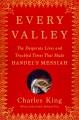 Includes bibliographical references and index."The epic, dramatic story of the 18th century men and women behind the making of Handel's Messiah, one of the world's most beloved works of classical music, from a New York Times bestselling historian and National Book Critics Circle Award finalist. George Frideric Handel's Messiah is arguably the greatest piece of participatory art ever created. Adored by millions, it is performed each year by renowned choirs and orchestras as well as by fans singing along to the lyrics on their cell phones. But this work of triumphant joy was born in an age of anxiety. Britain in the early eighteenth century, the so-called age of Enlightenment, was a time of war, enslavement, political conspiracy, social polarization, and conflicts over everything from the legitimacy of government to the meaning of truth. Contrary to popular belief, the Messiah was not the product of a lone genius scribbling furiously on a musical staff. It came about because of a depressive political dissenter; an actress plagued by an abusive husband; an Atlantic sea captain and penniless philanthropist; an African Muslim man held captive in the American colonies; and Handel himself, once composer to kings but, at midlife, in ill health and straining to keep an audience's attention. Set amid royal intrigue and theatrical scandal, and exploring the rich ideas of its day, Every Valley is a cinematic drama of the entangled lives that shaped a masterpiece"--
- Subjects: Biographies.; Personal narratives.; Handel, George Frideric, 1685-1759; Handel, George Frideric, 1685-1759.; Handel, George Frideric, 1685-1759.;
- Available copies: 1 / Total copies: 1
-
unAPI
- 1666 : a novel / by Chilton, Lora,author.;
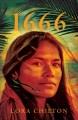 Includes bibliographical references (pages 199-200)."The survival story of the Patawomeck Tribe of Virginia has been remembered within the tribe for generations, but the massacre of Patawomeck men and the enslavement of women and children by land hungry colonists in 1666 has been mostly unknown outside of the tribe until now. Author Lora Chilton, a member of the tribe through the lineage of her father, has created this powerful fictional retelling of the survival of the tribe through the lives of three women. 1666: After the Massacre is the imagined story of the indigenous Patawomeck women who lived through the decimation of their tribe in the summer of 1666. Told in first person point of view, this historical novel is the harrowing account of the Patawomeck women who were sold and transported to Barbados via slave ship. The women are separated and bought by different sugar plantations, and their experiences as slaves diverge as they encounter the decadence and clashing cultures of the Anglican, Quaker, Jewish and African populations living in sugar rich "Little England" in the 1660's. The book explores the Patawomeck customs around food, family and rites of passage that defined daily life before the tribe was condemned to "utter destruction" by vote of the Virginia General Assembly. The desire to return to the land they call home fuels the women as they bravely plot their escape from Barbados. With determination and guile, Ah'SaWei WaTaPaAnTam (Golden Fawn) and NePa'WeXo (Shining Moon) are able to board separate ships and make their way back to Virginia to be reunited with the remnant of the tribe that remained. It is because of these women that the tribe is in existence to this day. This work of historical fiction is based on oral tradition, written colonial records and extensive research by the author, including study of the language. The book uses indigenous names for the characters and some of the Patawomeck language to honor the culture and heritage that was erased when European colonization of the Americans began in the 16th century. The book includes a glossary for readers unfamiliar with the language and names"--
- Subjects: Historical fiction.; Novels.; Enslaved persons; Indigenous peoples; Indigenous women; Indigenous women; Massacres; Potomac Indians;
- Available copies: 1 / Total copies: 1
-
unAPI
Results 91 to 93 of 93 | « previous